Design Utah Style
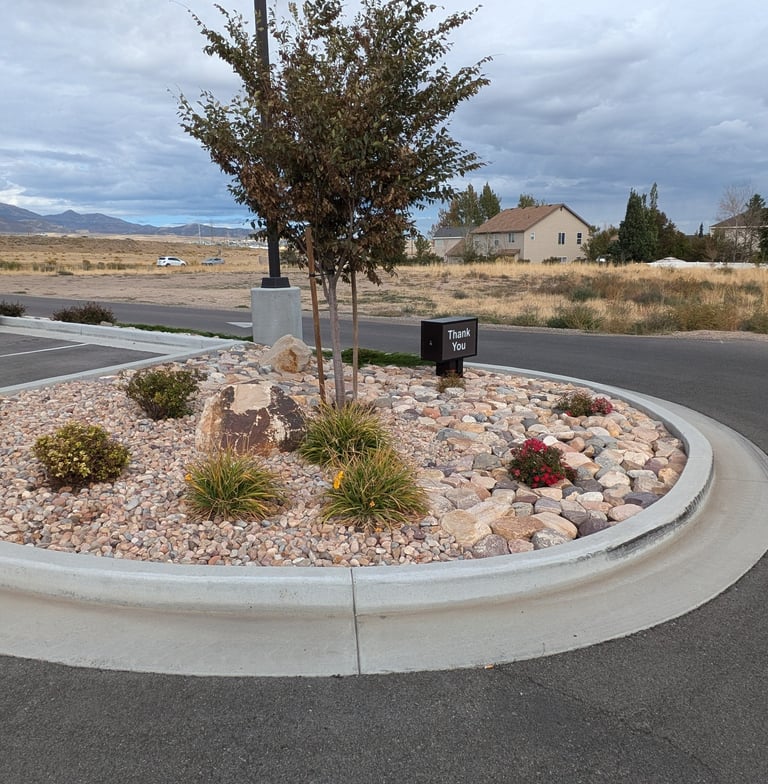
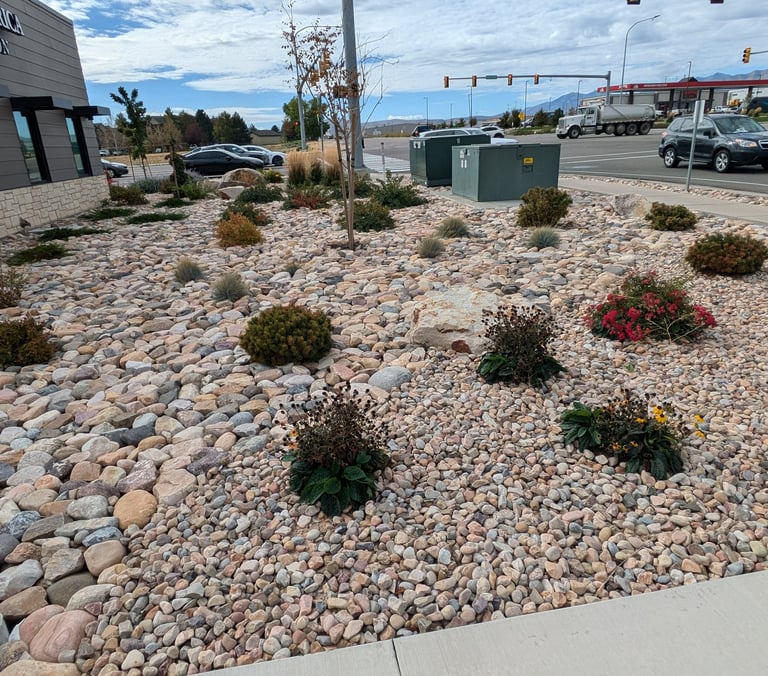
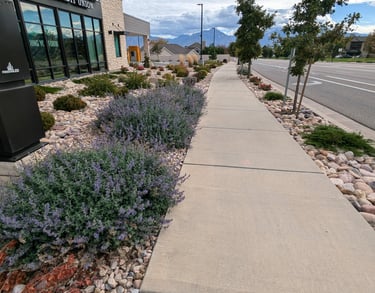
Landscape Designs in Utah have some special considerations, especially when it comes to water conservation, which is a crucial aspect of landscaping in arid regions. Often designs start with a strategic reduction of traditional lawn areas, which not only conserves water but also minimizes maintenance efforts. Incorporating native, waterwise plants require minimal irrigation, paired with efficient drip irrigation systems, allows for a sustainable approach to gardening. The use of stone-scaping, featuring various elements such as boulders, gravel beds, and dry creek systems, not only enhances visual appeal but also helps with moisture retention and soil stabilization. Incorporating shade applications in the design through carefully selected trees and overhead structures is essential, as they not only provide respite from the harsh sun but also contribute to energy savings by cooling the surrounding environment. By embracing these design principles, Utah landscapes can flourish while promoting environmental responsibility and overall enjoyment of the property.
QWEL Trained and Certified
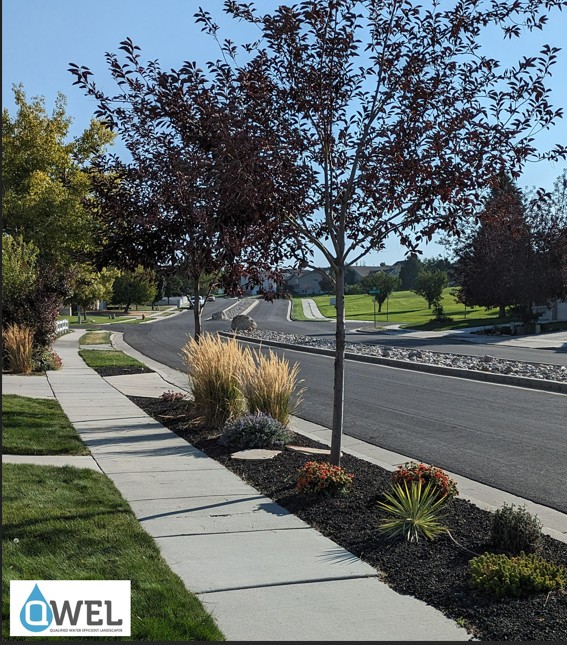
A Qualified Water Efficient Landscapers primary purpose is to use water wisely in all landscape designs. By reducing water runoff and overspray, a QWEL Landscape Designer will help add to a sustainable future and a lower monthly water bill.
Stone-scape
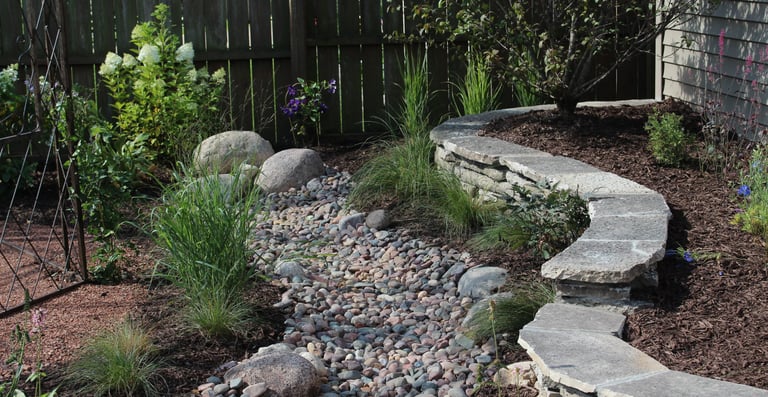
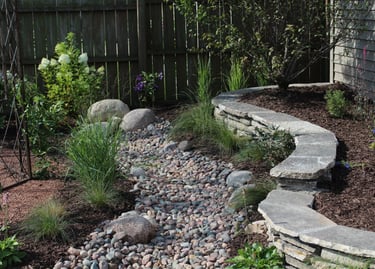
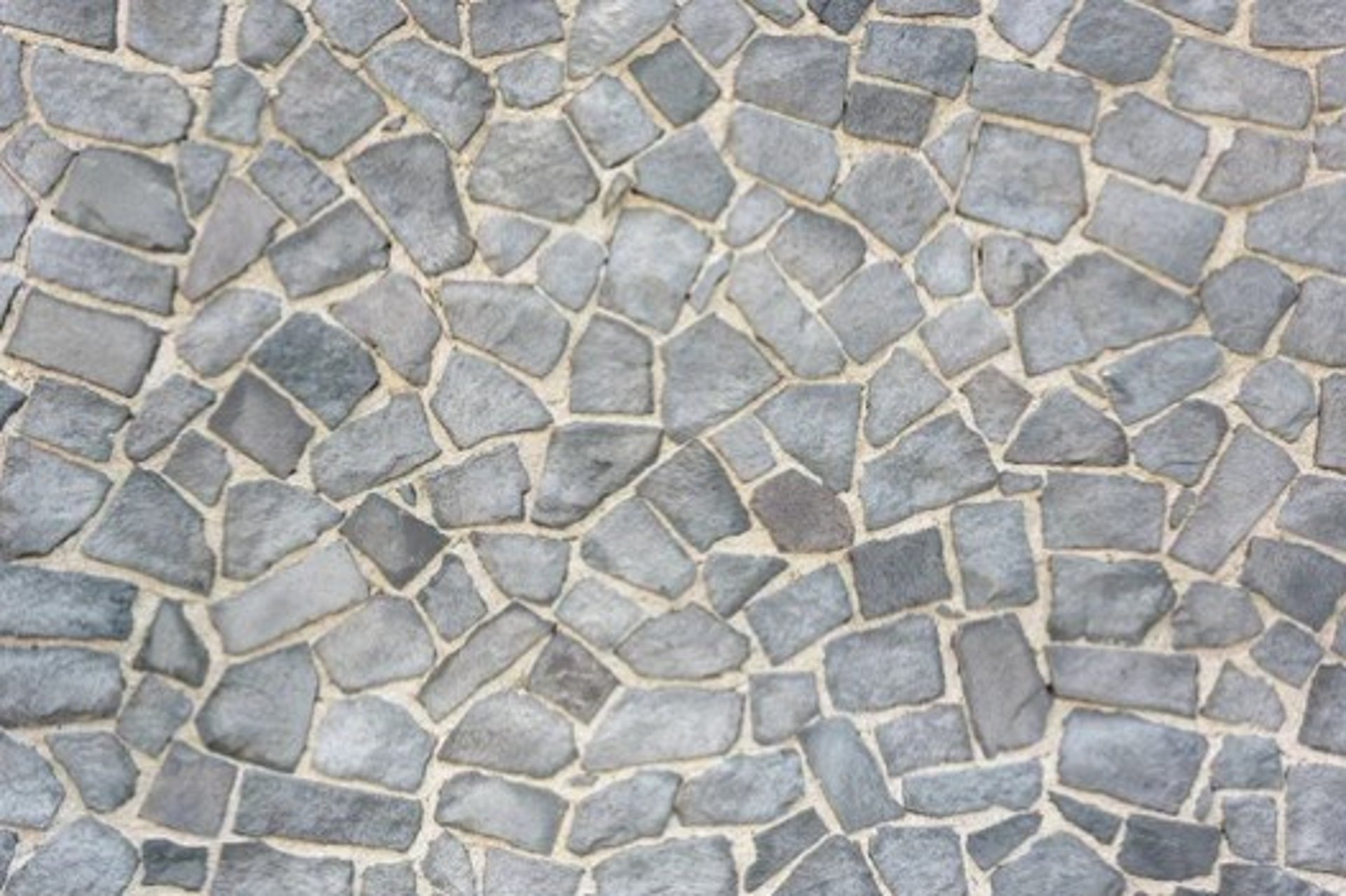
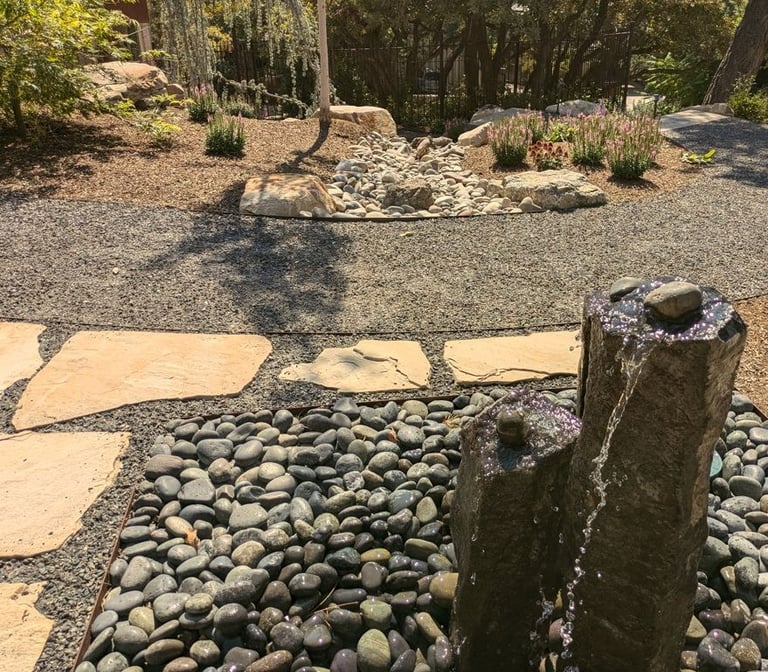
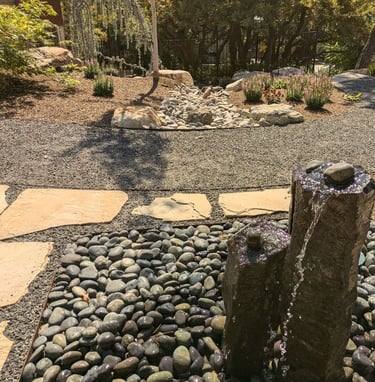
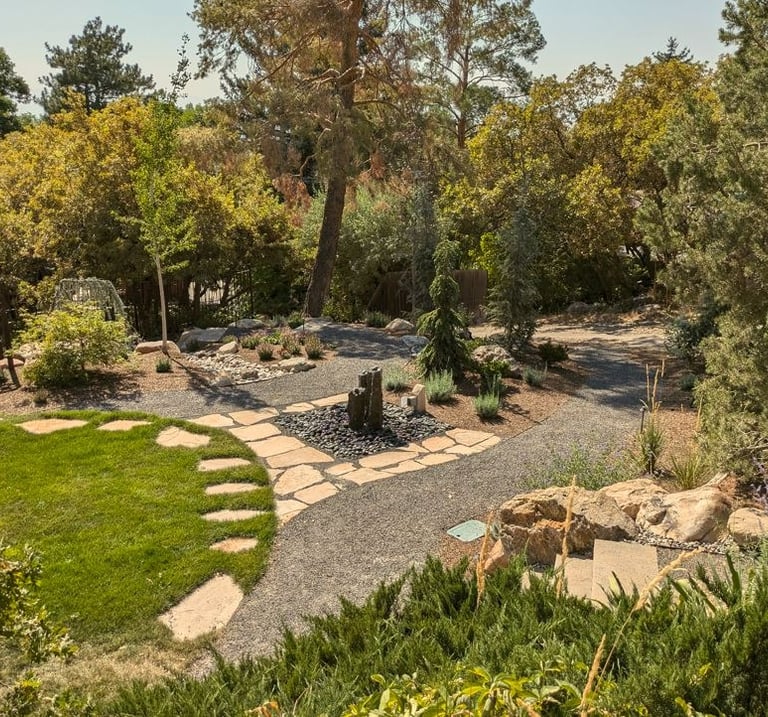
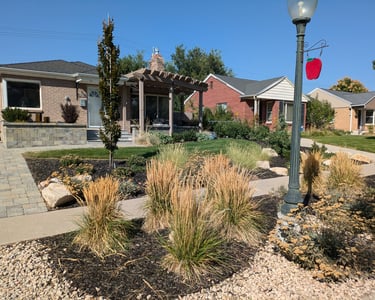
Using stone in creative and aesthetic ways from boulders and cobbles in the design, along with dry creeks can resolve drainage areas and conserve water while adding attractive aesthetics overall.
Reduced Turf area
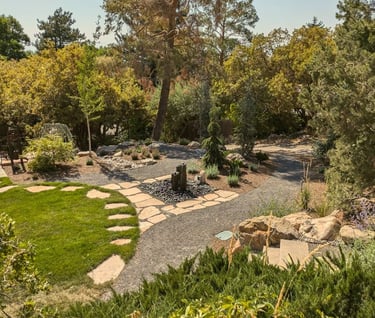
There are many smart and creative ways to remove the lawn areas of a landscape. By removing current lawn areas in parkways and yards, and adding more plantings and hardscapes to these spaces, we are saving water along with reducing yard maintenance.

Waterwise plants
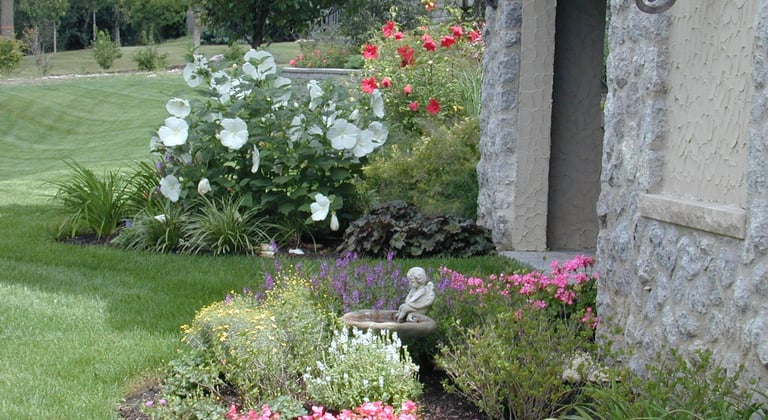
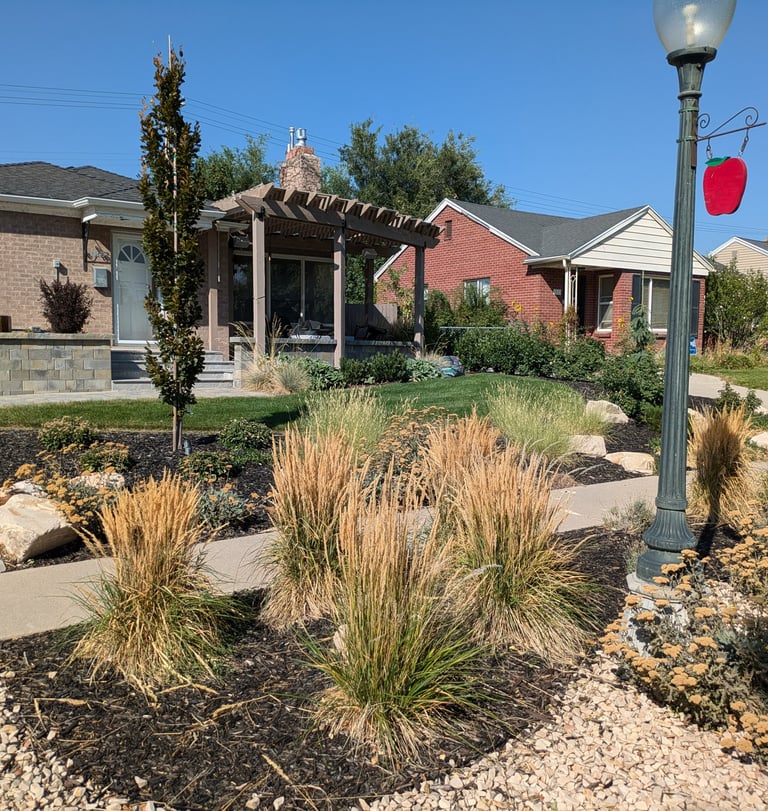
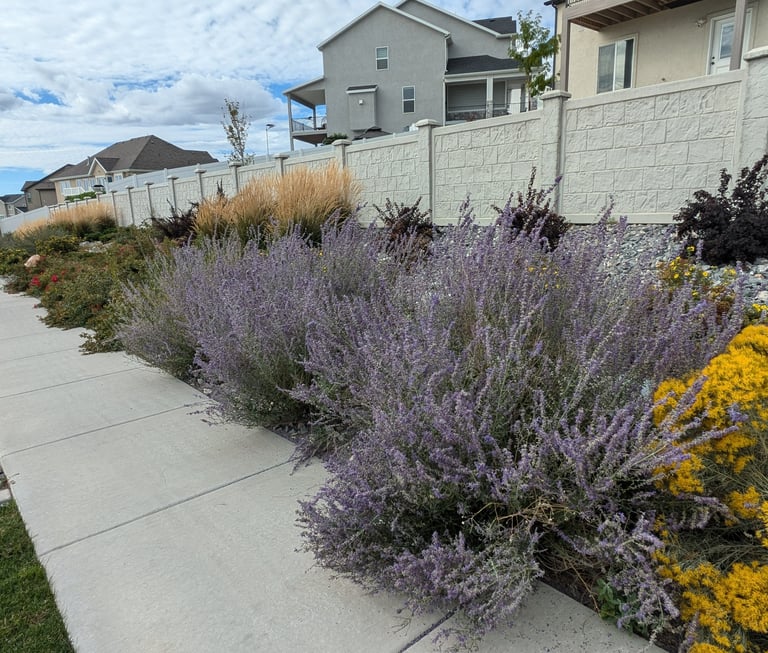
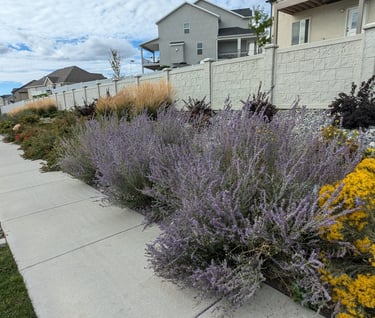
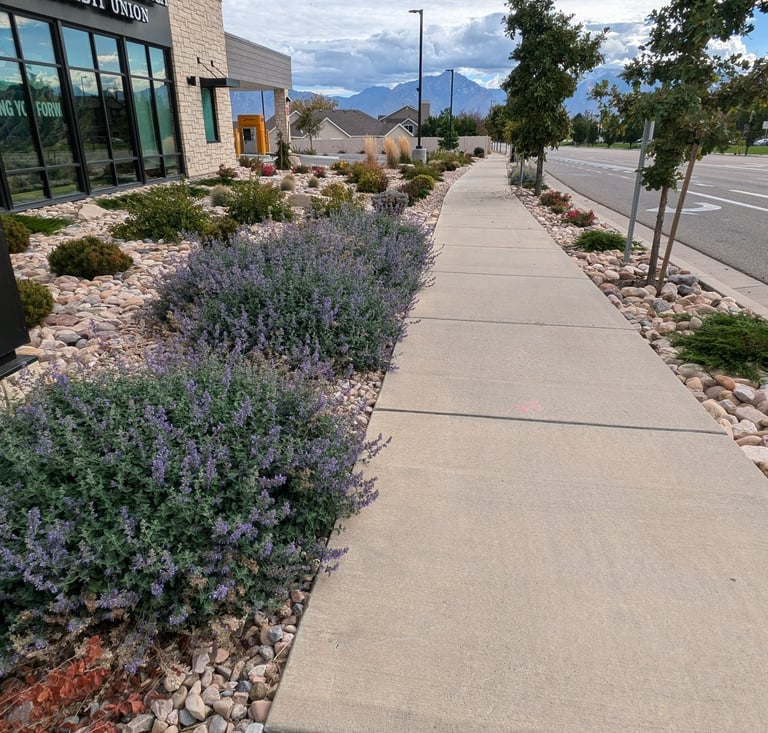
Plant selection is of utmost importance for not only water reduction but also survival and appearance in the long run.
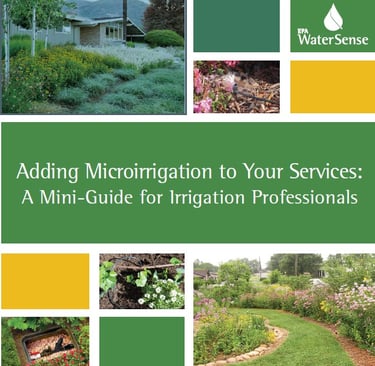
Water Sense
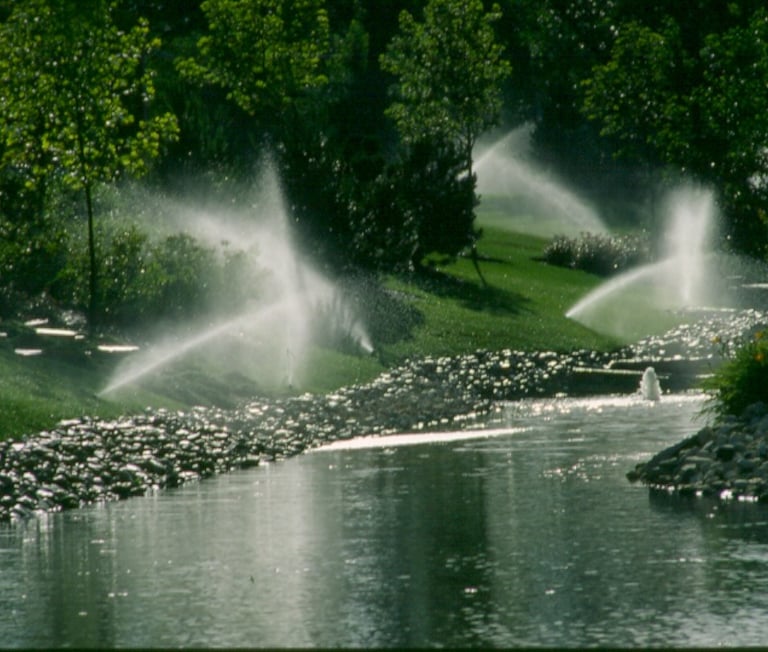
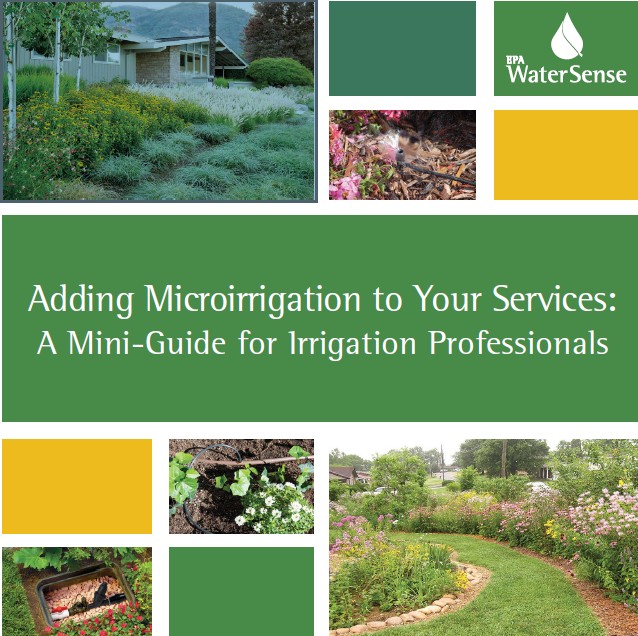
A program to offer clients simple techniques to use less water, employ more efficient irrigation processes and products.

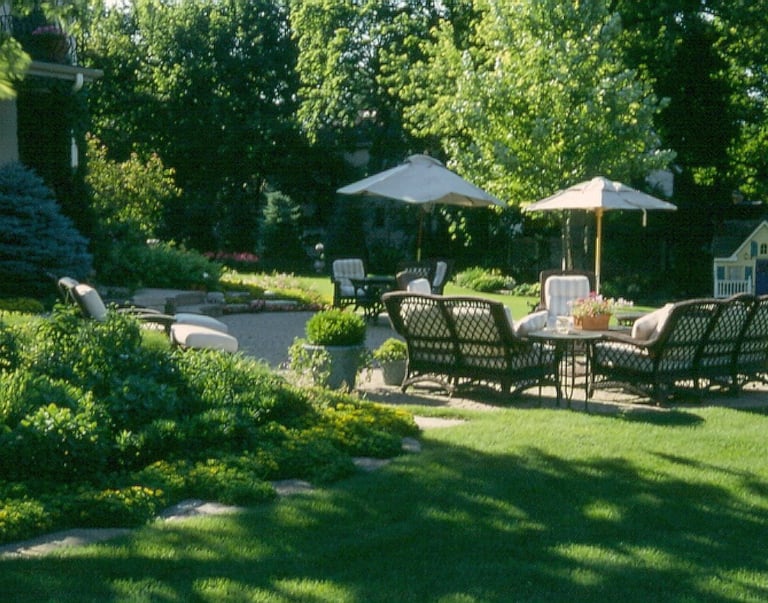
Shade Structure and Patios
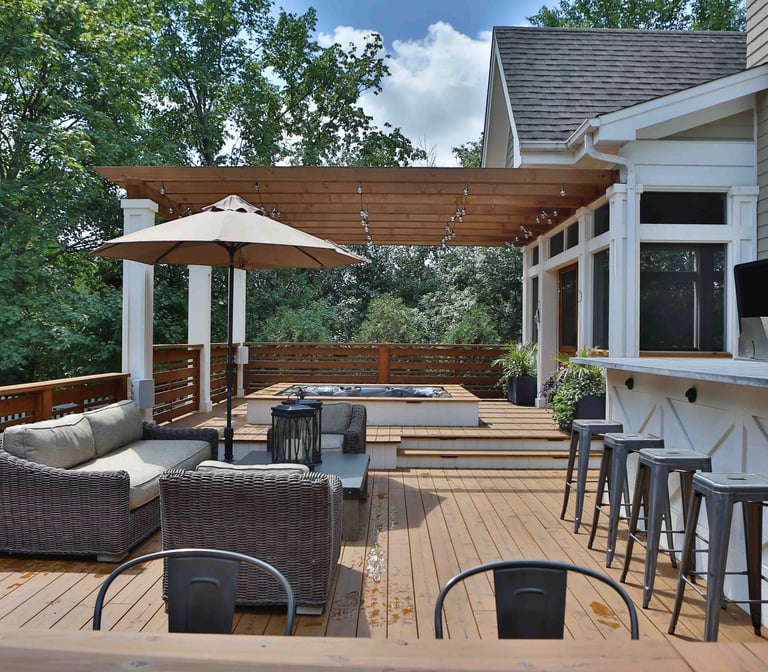
Providing shade can come in many forms, from structures, trees, umbrellas, and side exposures from an existing building.